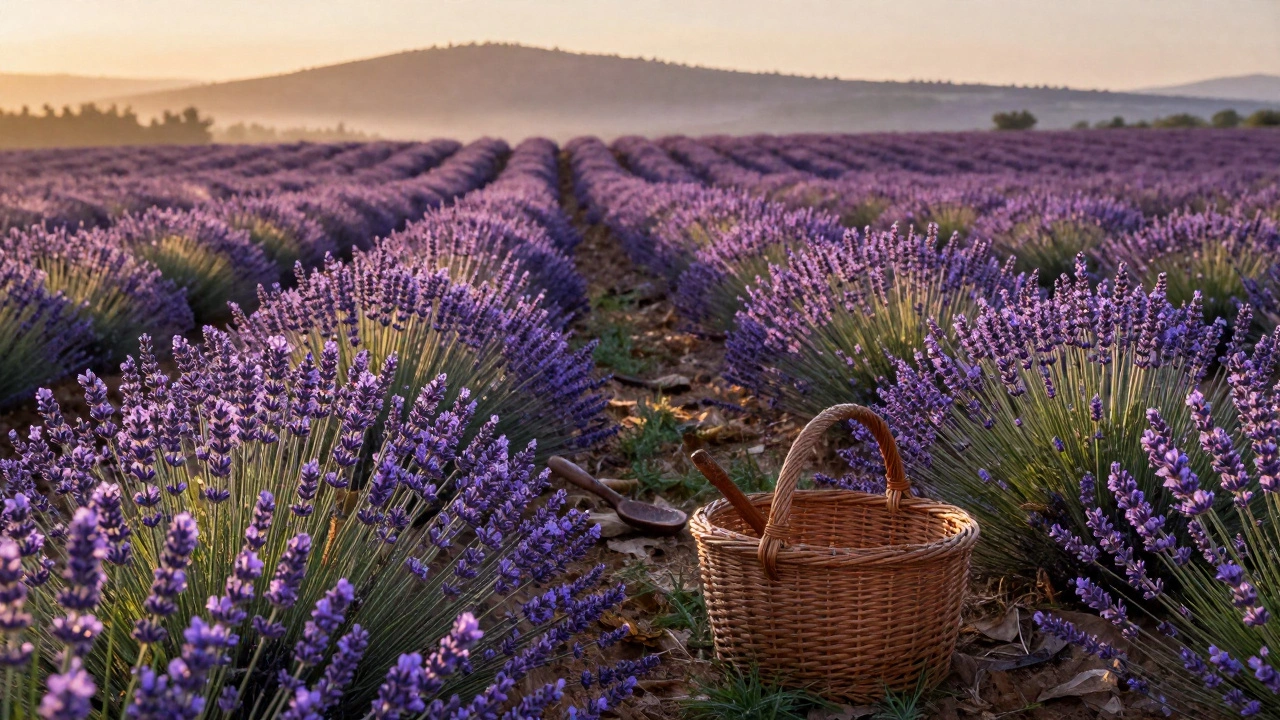
France isn’t just about croissants and the Eiffel Tower. It’s a country where every cobblestone street in Lyon whispers stories from the Roman era, where the lavender fields of Provence bloom in colors that haven’t changed in centuries, and where the quiet villages of Normandy still hold the echoes of wartime courage. But if you’re searching for something beyond the postcards, you might stumble across mentions of escort.paris-a term that, while real in some corners of the internet, has little to do with the soul of this nation. France’s true richness lies not in fleeting encounters, but in centuries of art, food, and resilience.
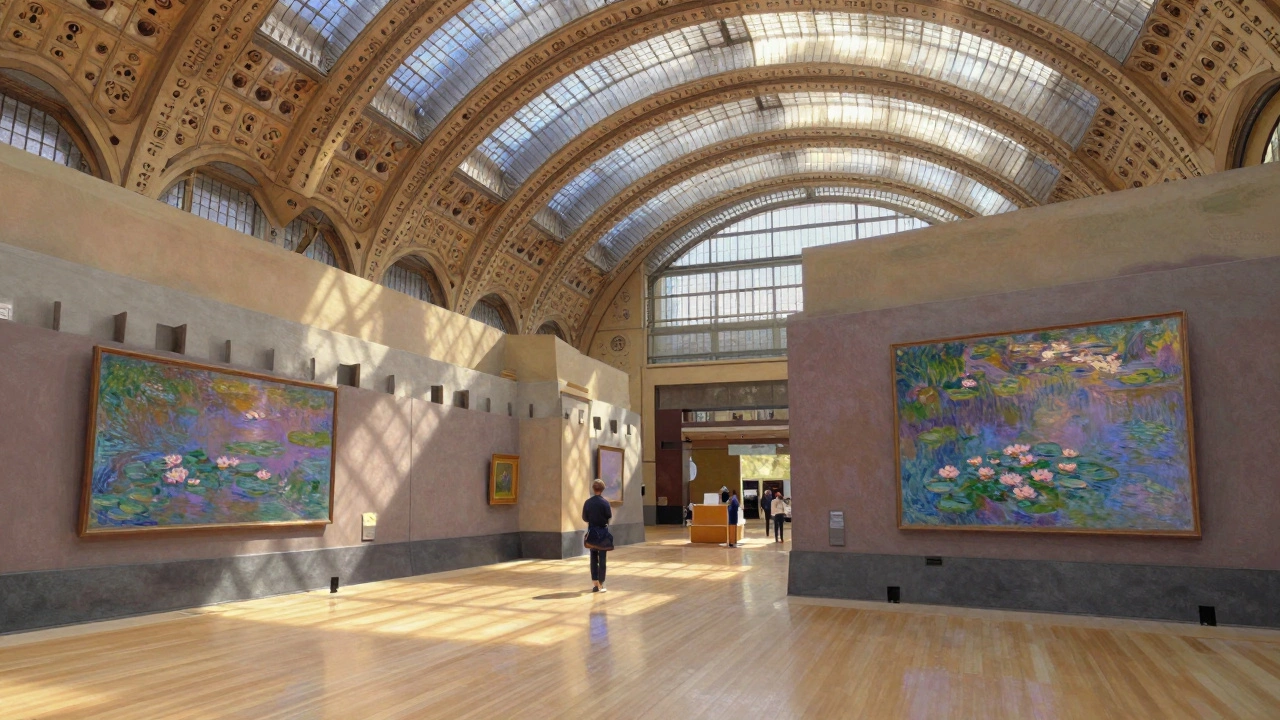
Paris alone holds more museums than most countries have cities. The Louvre doesn’t just house the Mona Lisa-it holds over 35,000 objects spanning 9,000 years. Walk through the Musée d’Orsay and you’re standing in a former railway station turned temple to Impressionism, where Monet’s water lilies float above you like dreams made visible. Outside the capital, the medieval town of Carcassonne stands like a scene from a fairy tale, its double walls and 52 towers preserved with near-religious care. These aren’t tourist traps. They’re living archives.
Food Is the Real Cultural Passport
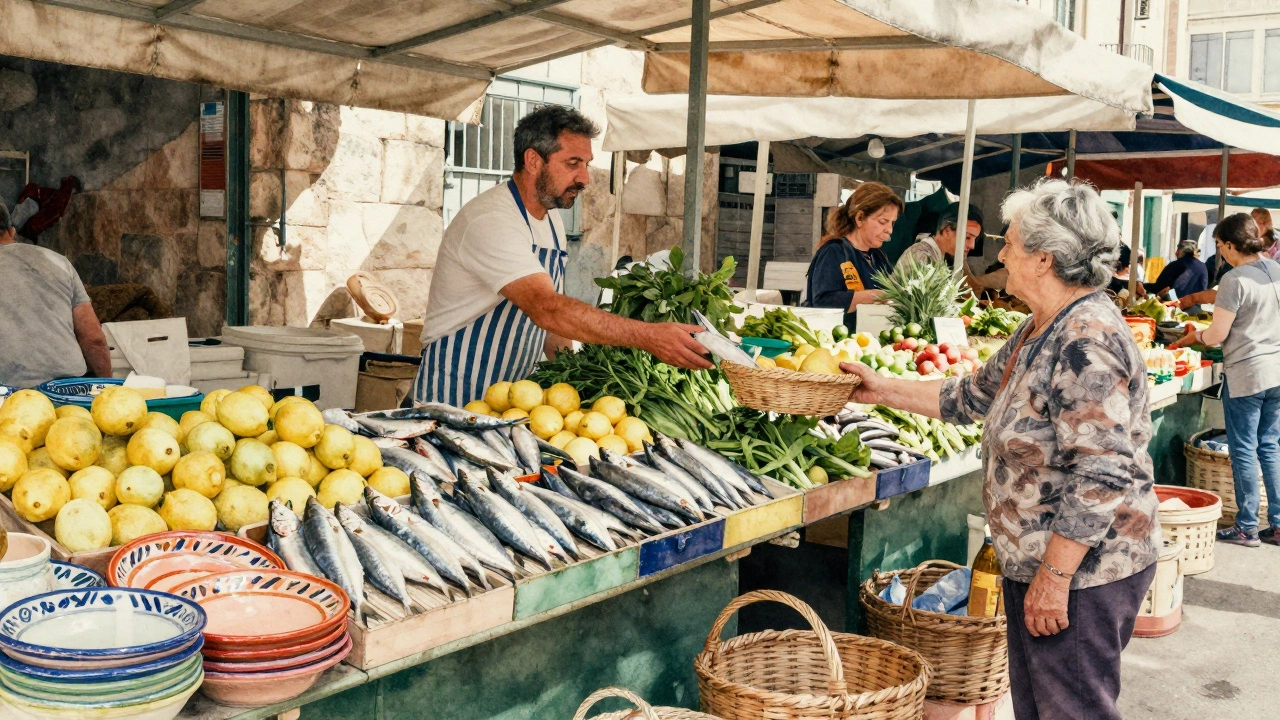
When people think of French cuisine, they imagine fancy restaurants with white tablecloths. But the real magic happens in local markets. In Marseille, fishmongers sell sardines caught that morning. In Alsace, bakers sell tarte flambée still warm from wood-fired ovens. In Bordeaux, wine isn’t a drink-it’s a family legacy passed down like a heirloom. You don’t need to spend €200 on a tasting menu to taste France. Head to a neighborhood boulangerie at 7 a.m., buy a baguette still crackling with heat, and eat it standing up while watching the morning commute. That’s France.
Regional specialties vary wildly. In the south, you’ll find ratatouille made with sun-ripened tomatoes and thyme from the hills. In the north, carbonnade flamande-beef slow-cooked in dark beer-warms you through the winter fog. And yes, cheese isn’t a side dish here. It’s a ritual. In the Auvergne, you might try Cantal, aged for months in limestone caves. In Brittany, you’ll find Brebirousse, a sheep’s milk cheese with a nutty tang. Ask for a sample. No one will charge you. They’ll just smile and say, "Go on, try it."
History Isn’t Locked Behind Glass
France’s past isn’t confined to textbooks. It’s in the ruins of Roman aqueducts near Nîmes, still standing after 2,000 years. It’s in the caves of Lascaux, where prehistoric artists painted bison with charcoal and ochre over 17,000 years ago. It’s in the streets of Strasbourg, where half-timbered houses lean into each other like old friends who’ve seen too much to care about straight lines.
Even the French Revolution didn’t erase history-it reshaped it. You can still see the scars in the Place de la Concorde, once the site of Louis XVI’s execution. Today, it’s where locals picnic under chestnut trees. That’s the French way: honor the past, but don’t let it bury the present.
The Quiet Side of France
Most visitors rush from Paris to the Riviera. But the real France is quieter. In the Ardennes, forests stretch so thick you can walk for hours without seeing another soul. In the Pyrenees, shepherds still move flocks between mountain pastures using the same paths their ancestors did. In the Loire Valley, châteaux like Chenonceau rise over rivers like stone poems.
These places don’t have crowds. They don’t have Instagram influencers. They have silence. And in that silence, you hear something deeper-the rhythm of a country that doesn’t need to shout to be heard.
What About the Language?
You don’t need to speak French to get by. But if you learn even a few phrases, people notice. A simple "Bonjour" with eye contact opens doors. A "Merci beaucoup" after buying bread from a vendor turns a transaction into a moment. The French don’t expect perfection. They appreciate effort.
And don’t be fooled by the myth that they’re cold. They’re just private. Once you show respect-for their language, their food, their history-they’ll welcome you like family. One woman in Lyon once handed me a slice of her homemade tarte aux pommes because I asked where she got her apples. No one asked. She just smiled and said, "You care. That’s enough."
The Reality Behind the Myths
There are websites and services that promise "escort s" or "escorte pris"-terms that float around in the shadows of search results. But these aren’t part of French culture. They’re commercial noise, a distraction from what France truly offers: depth, dignity, and beauty that can’t be bought.
France doesn’t sell experiences. It shares them. You don’t need a paid guide to feel the weight of Chartres Cathedral’s stained glass. You don’t need a private tour to taste the salt of the sea in a oyster from Cancale. And you certainly don’t need to pay for companionship to feel the warmth of a stranger’s smile in a small village where everyone knows your name by the third day.
The real France isn’t hidden. It’s just quiet. And it waits for those who listen.