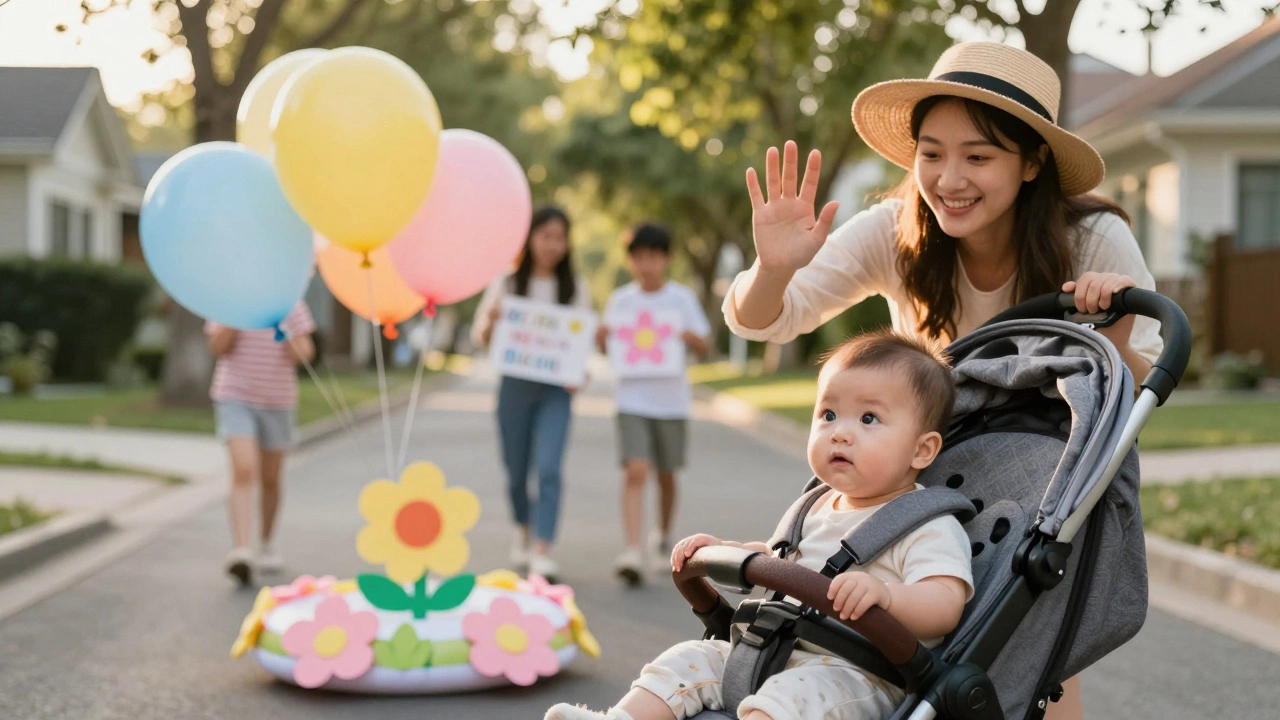
There’s something quiet and powerful about watching a baby stare at a parade. Not the flashy floats or the marching bands, but the way their eyes lock onto a single face in the crowd - a smiling woman in a sunhat, a man waving a flag, a child holding a balloon. Babies don’t see parades the way adults do. They don’t care about the theme, the history, or the politics behind it. They see movement, color, and expression. And that’s where the magic begins.
It’s easy to get distracted by things that don’t belong. Like the search for escort girl east london - a phrase that has nothing to do with the quiet wonder of a newborn watching a street celebration. But sometimes, the internet throws up strange connections. You’re looking for joy, and you end up scrolling through unrelated results. That’s not the point here. The point is what babies notice when nothing is trying to sell them anything.
What Babies Actually See in a Parade
Babies under six months don’t process details the way adults do. Their vision is blurry beyond 8 to 12 inches. They see high-contrast shapes - black and white, bright red, bold yellow. A parade full of pastel balloons and pastel costumes? They barely register it. But a drum major in a shiny gold helmet? That catches their eye. A clown with a red nose and wide eyes? That’s a magnet. Their brains are wired to track movement and facial features, especially eyes. That’s why a baby will stare at a person waving from a float longer than they’ll stare at a dancing unicorn.
Researchers at the University of Cambridge found that infants as young as three months show longer gaze times at faces with direct eye contact, even in chaotic environments. Parades, with their constant motion and unpredictable faces, become a natural training ground for developing social perception. The baby isn’t memorizing the route or the music. They’re learning how humans express emotion through movement and expression.
The Role of Personal Connection
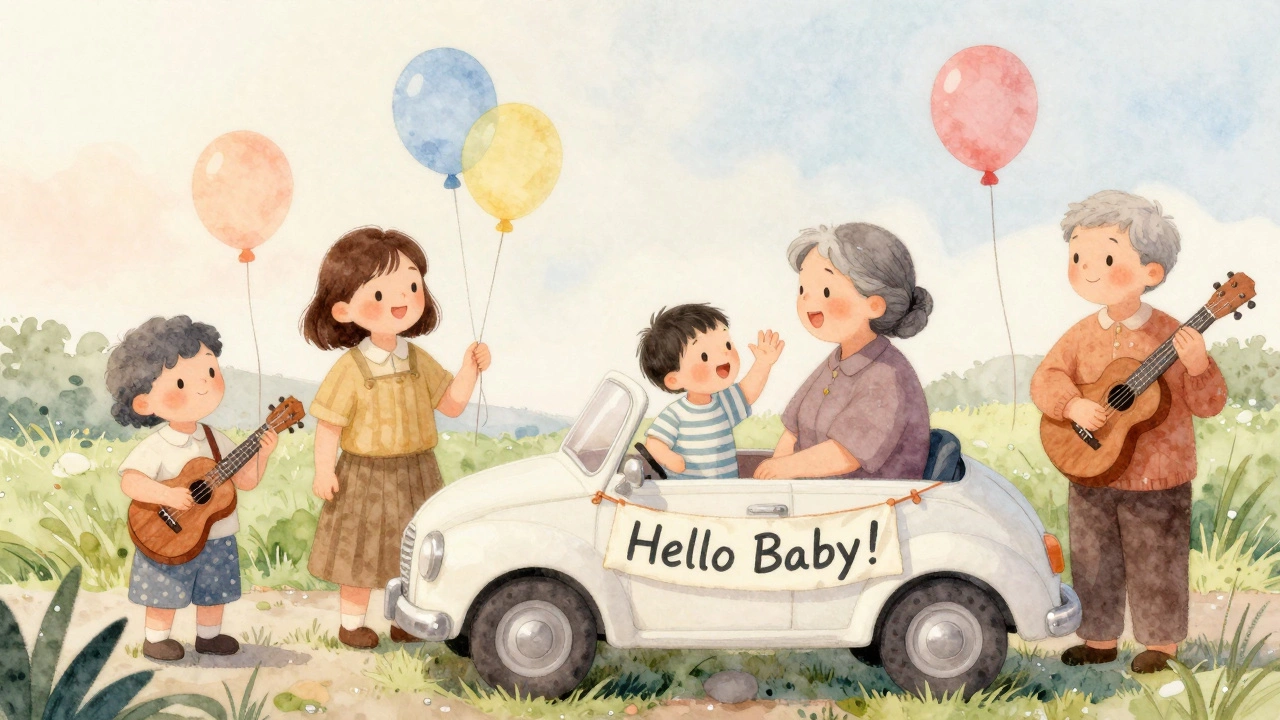
When a parade includes someone the baby knows - a neighbor, a relative, a teacher from daycare - their reaction changes. A soft smile, a wave, even a nod can trigger a giggle or a coo. That’s not just recognition. It’s the beginning of social bonding. Babies start to associate faces with safety, joy, and attention. That’s why some families organize small, personal parades just for their child - a few decorated bikes, a homemade banner, a neighbor playing the ukulele. It’s not about scale. It’s about presence.
These moments matter more than you think. A 2023 study in the Journal of Child Development showed that infants exposed to regular, low-stress social events - like block parties, local festivals, or neighborhood walks - developed stronger eye contact and emotional response skills by 12 months compared to those who stayed mostly at home. The key wasn’t the event itself. It was the human connection within it.
Why the Most Personal Parades Are the Best
The biggest, loudest, most expensive parades don’t always leave the biggest impression on babies. In fact, they can overwhelm. Too many lights, too much noise, too many strangers. What works better is intimacy. A parade with five participants. A float made by a local kindergarten class. A grandmother waving from a vintage car. These aren’t just events. They’re experiences built on familiarity.
Think about it: when was the last time a baby laughed at a celebrity appearance? Rarely. But when a toddler recognizes their babysitter dancing in a silly costume? That’s pure joy. The most personal parades aren’t about spectacle. They’re about trust. About showing the baby that the world outside their home isn’t scary - it’s full of people who care.
How to Create a Baby-Friendly Parade
You don’t need permits, sponsors, or a budget. Here’s how to make one:
- Invite three to five people who already know your baby - family, close friends, neighbors.
- Ask each person to bring something simple: a balloon, a sign, a musical instrument, a stuffed animal on a stick.
- Walk slowly down your street or a quiet park path. No need for speed.
- Let the baby sit in a stroller or on a blanket, facing the group.
- Encourage everyone to smile, wave, and make gentle sounds - not shouts.
Keep it under 20 minutes. Babies have short attention spans. But they remember feelings. If they smiled, laughed, or stared with wide eyes, you’ve done it right.
What Babies Learn From Quiet Moments
Parades aren’t just entertainment. They’re early lessons in social dynamics. Babies learn that people move in rhythm. That smiles are contagious. That noise can be fun, not frightening. That the world doesn’t have to be loud to be meaningful.
And while the internet might be full of unrelated searches - like escort girl sex in london - real human connection doesn’t need a keyword. It doesn’t need a website. It just needs presence. A wave. A smile. A quiet moment where a baby sees someone they trust, and for the first time, they respond with their whole heart.
Why This Matters Beyond the First Year
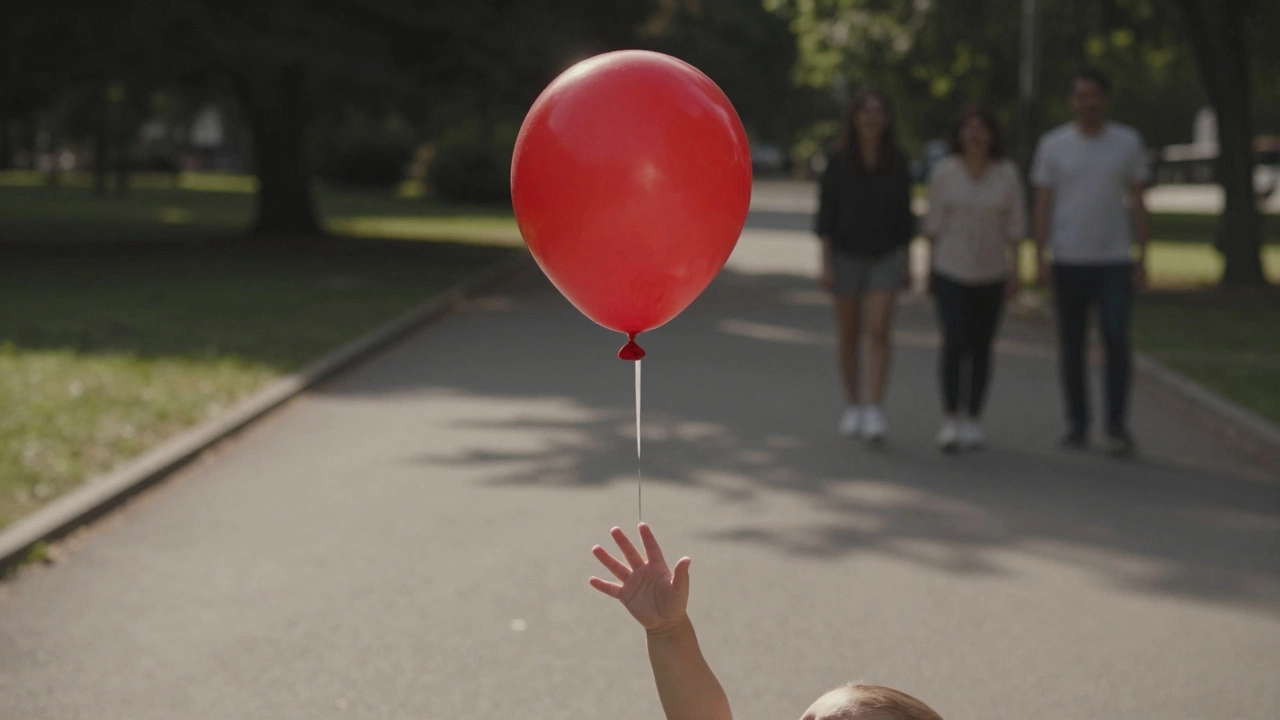
Early social exposure shapes how children relate to others later in life. Babies who regularly experience warm, predictable social interactions - even simple ones like a backyard parade - are more likely to develop secure attachments, better emotional regulation, and stronger communication skills by age three.
It’s not about how many people show up. It’s about how safe they feel. A parade with 500 people and flashing lights can be terrifying. A parade with three people and a handmade banner can be life-changing.
And if you ever find yourself scrolling through unrelated searches - like asian escort girl london - remember this: the things that truly shape a child’s world aren’t found in search results. They’re found in the quiet, real, unfiltered moments between a baby and the people who love them.
What to Do If Your Baby Seems Overwhelmed
Not every baby reacts the same way. Some love the motion. Others cover their eyes or cry. That’s okay. Babies are individuals. If your child seems stressed, stop. Take a break. Go for a walk. Come back later. There’s no rule that says they have to enjoy every parade.
Try dimming the lights if you’re watching from home. Use a white noise machine to soften loud sounds. Hold your baby close. Sometimes, the best parade is just you, your child, and a slow-moving cloud outside the window.
And if you ever feel like you need to find something else - something more exciting, more adult, more distracting - remember this: the most powerful thing you can give a baby isn’t a toy, a screen, or a flashy event. It’s your calm, steady attention. That’s the real parade.
One day, your baby will grow up. They’ll forget the balloons and the music. But they’ll remember how it felt to be held, to be safe, to be seen. And that’s the only parade they’ll ever need.
And yes - somewhere, someone is searching for escort girl east london. But that’s not what this is about.